
In the contemporary digital threat landscape, technical defenses such as firewalls, end-to-end encryption, and multi-layered access controls have become increasingly robust. Consequently, cybercriminals rarely attempt to force their way through complex cryptographic barriers. Instead, they exploit the most accessible vulnerability in any security infrastructure: the human element. This tactic is known as phishing, and it remains the primary entry point for major data breaches, identity theft, and corporate financial fraud worldwide.
What is Phishing?
The term phishing is an adaptation of the word “fishing.” The metaphor is precise: attackers cast a digital lure—disguised as an authentic message—and wait for unsuspecting users to take the bait, surrendering sensitive information or executing unauthorized software.
At its core, phishing is a form of social engineering. It relies on psychological manipulation rather than system exploits. Attackers impersonate trusted entities—such as commercial banks, logistics providers, government agencies, streaming services, or internal corporate IT departments—to trick victims into disclosing:
- Account Credentials: Usernames, passwords, and security answers for email, social media, or corporate portals.
- Financial Information: Credit card numbers, CVV codes, bank account details, and PINs.
- Personally Identifiable Information (PII): Social Security numbers, national IDs, and date of birth for identity theft.
- Authentication Tokens: One-time passcodes (OTP), SMS verification codes, or multi-factor authentication (MFA) prompts.
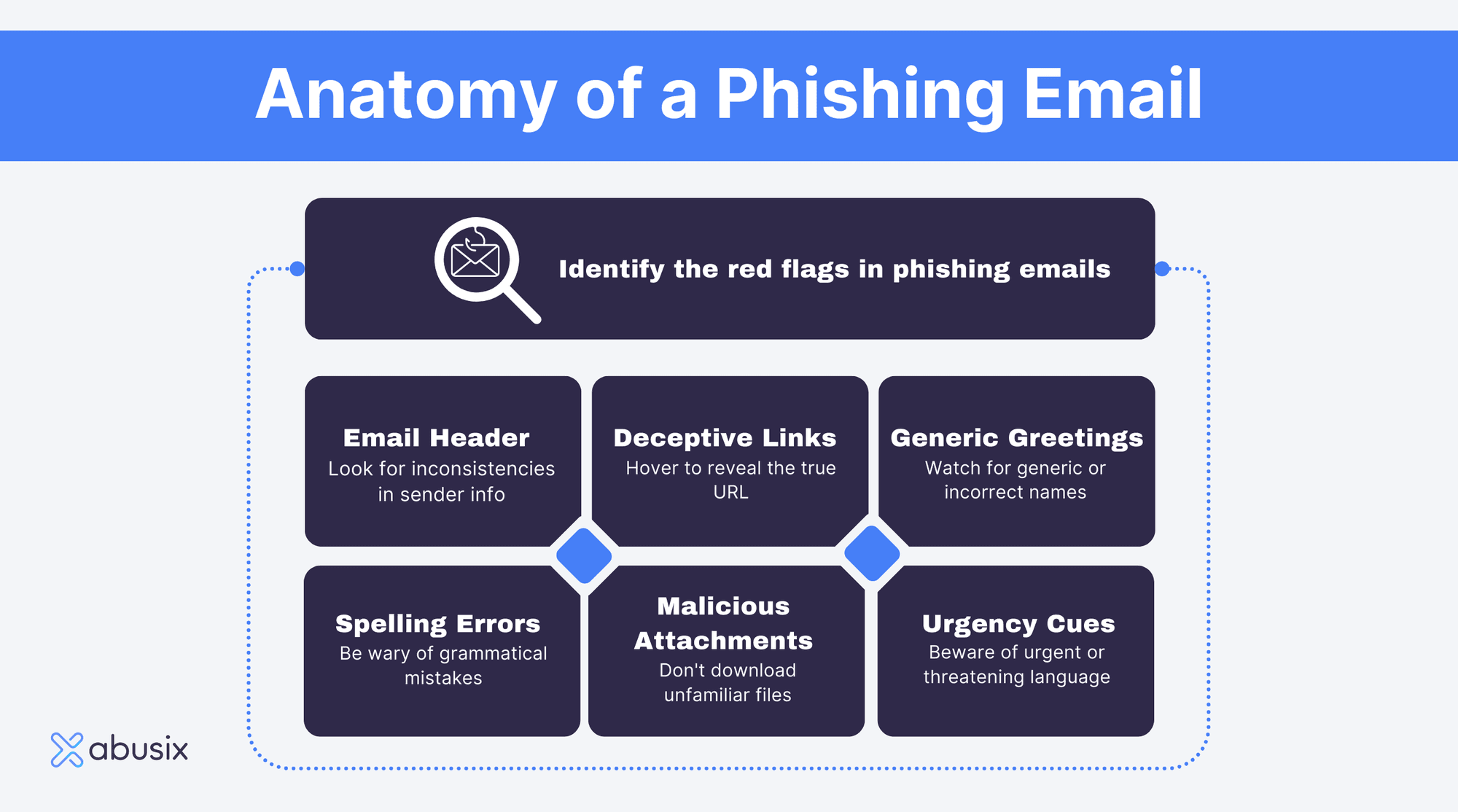
The Anatomy of a Phishing Attack
While the specific themes used in phishing campaigns vary continuously, most attacks follow a standard four-stage lifecycle:
1. Crafting the Bait
The attacker designs a communication channel (such as an email, SMS, or direct message) that mimics an official notification. To maximize credibility, threat actors copy corporate branding, color palettes, footers, and official terminology. They often register domain names that visually resemble legitimate domains (a technique called typosquatting, such as paypa1.com instead of paypal.com).
2. Triggering Psychological Pressure
Phishing succeeds by short-circuiting critical thinking. Messages almost universally invoke one of three emotional triggers:
- Urgency and Fear: “Your account will be suspended within 24 hours due to unauthorized activity.”
- Financial Anxiety: “Unpaid delivery charge of $1.99 required to release your package.”
- Greed or Curiosity: “Exclusive reward claim” or “Your tax refund is ready for disbursement.”
3. Redirection to a Spoofed Portal
The communication directs the recipient to click an embedded hyperlink or open an attachment. Clicking the link takes the target to a fraudulent web page designed to mirror a legitimate login portal or payment gateway.
4. Harvesting and Exploitation
When the victim enters their credentials into the fake form, the data is captured directly by the attacker’s server. In modern advanced phishing kits, the system relays credentials in real-time to the actual legitimate service, prompting the user for an MFA code which is then instantly intercepted to bypass two-factor authentication.
Common Variants of Phishing Attacks
As security awareness has improved, phishing techniques have evolved beyond simple bulk spam emails into targeted, multi-channel operations:
| Variant | Vector | Description |
|---|---|---|
| Smishing | SMS / Text Messages | Short messages containing malicious short-links regarding package deliveries, banking alerts, or verification notices. |
| Vishing | Voice Calls | Phone scams where attackers impersonate bank fraud departments, tax authorities, or tech support to extract sensitive details orally. |
| Spear Phishing | Email / Messaging Apps | Highly targeted attacks directed at specific individuals or organizations, customized using Open Source Intelligence (OSINT). |
| Whaling | Spear phishing aimed at high-profile targets, such as C-level executives (CEOs, CFOs), to authorize high-value wire transfers. | |
| Angler Phishing | Social Media | Impersonating customer support accounts on platforms like X (Twitter) or Facebook to divert unhappy customers to fraudulent support pages. |
🚨 Key Red Flags to Identify Phishing Attempts
- Discrepancies in Sender Domains: The display name says “Your Bank”, but the actual email address originates from a generic or mismatched domain (e.g.,
support@bank-security-update.com). - Generic Greetings: Use of vague terms like “Dear Customer” or “Valued Account Holder” instead of your name.
- Hover-Link Mismatches: Hovering over a link reveals a destination URL that differs significantly from the hyperlinked text.
- Unsolicited Attachments: Receiving unexpected
.zip,.exe, or macro-enabled Office files.
How to Protect Yourself: Defense Strategies
Mitigating phishing risks requires combining technical controls with heightened personal vigilance.
Best Practices for Digital Protection:
- Verify the URL Address Bar: Before entering login credentials, carefully inspect the web address. Ensure exact spelling and correct domain structure.
- Implement Hardware-Based MFA: Use physical FIDO2/U2F security keys (such as YubiKeys) or authenticator apps rather than SMS-based verification, which can be intercepted or social-engineered.
- Avoid Direct Links in Alerts: If you receive a notification regarding an account suspension or payment issue, navigate independently to the service’s official app or website rather than clicking the link provided.
- Use a Dedicated Password Manager: Password managers automatically detect domain mismatches and will refuse to auto-fill credentials on spoofed phishing pages.
- Report Phishing Attempts: Forward suspicious messages to your organization’s IT security team, or report them to national cybersecurity centers (such as the CISA or Anti-Phishing Working Group).
Conclusion
Phishing remains a formidable threat due to its focus on manipulating human behavior rather than cracking software code. While spam filters and antivirus software offer significant protection, personal awareness remains the most effective defense. By recognizing red flags, verifying sender identities, and maintaining a healthy degree of skepticism, individuals and organizations can dramatically reduce their exposure to social engineering threats.